
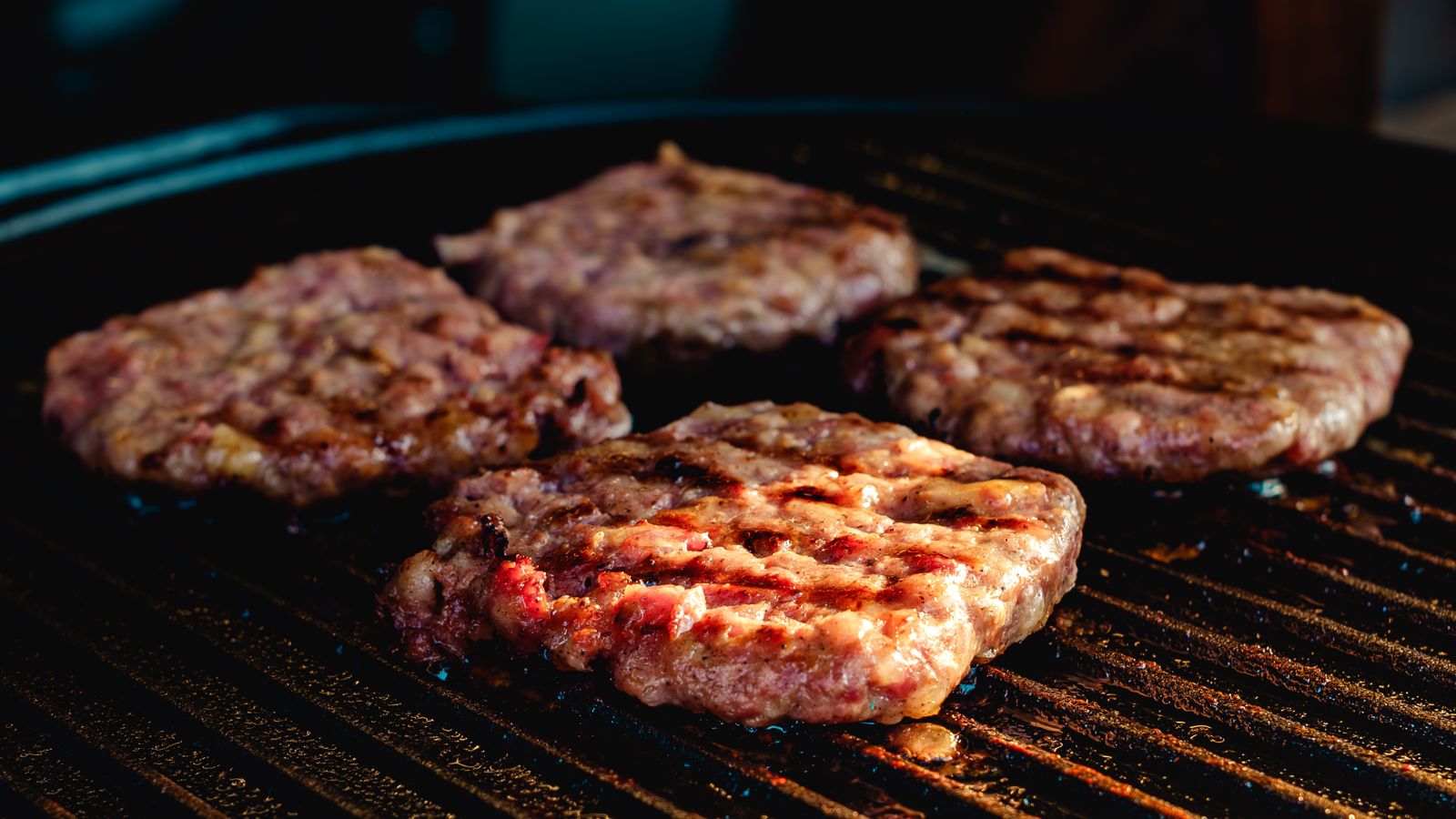
A burger patty can be salty enough and still taste weak. This is a common formulation problem in processed meat: increasing salt may strengthen basic taste, but it does not automatically create a deeper grilled beef profile, roasted aroma or fuller meat body.
For food developers, the better question is not “how do we make it stronger?” but “which layer of the beef profile is missing?” Once that is clear, the seasoning system can be adjusted more precisely.
Why More Salt Does Not Create More Beef Character
Salt supports taste intensity and can help other savory notes feel more noticeable, but salt itself does not provide the roasted, fatty, meaty or cooked-beef notes that consumers associate with a well-grilled burger patty.
If a patty is already adequately seasoned, adding more salt can push the product toward harshness without fixing the real flavor gap.
A fuller beef profile normally comes from several layers working together:
- basic salty and savory taste;
- cooked meat body;
- roasted or grilled top notes;
- fatty beef character;
- umami depth;
- background spice and seasoning balance.
When one of these layers is weak, the final product can taste thin even when the salt level is high.
Start by Defining the Missing Layer
Before changing the formula, evaluate the cooked patty and describe the problem as specifically as possible.
For example:
- Weak first aroma: the product may need stronger grilled or roasted top notes.
- Good aroma but thin middle: the meat body may need more savory depth.
- Beef note disappears after heating: the flavor system may need better heat stability or a different balance of reaction flavor and base notes.
- Strong seasoning but not enough beef identity: the formula may contain enough salt and spice but lack a clear beef flavor system.
This type of diagnosis is more useful than simply adding another salty ingredient.
What Role Does Grilled Beef Reaction Flavor Play?
Reaction flavors are often used when developers need a more cooked, roasted or grilled direction rather than only a generic meat note.
In a burger patty, a grilled beef reaction flavor can help reinforce the sensory impression created by high-temperature cooking. It can support the roasted surface character, cooked beef aroma and savory impact of the finished product.
The reaction flavor should not be treated as a stand-alone solution in every formula. It normally works best as one part of a broader seasoning system.
Build the Profile in Layers
A practical burger-patty flavor system may be designed in layers rather than around one ingredient.
1. Base savory layer
This provides the general background intensity and helps connect the salt, spice and meat notes.
2. Meat-body layer
This is the part that makes the product feel fuller in the middle of the bite. It can include beef-oriented savory flavor, yeast-based umami components or other approved savory ingredients depending on the formulation target.
3. Grilled or roasted top note
This gives the first aromatic impression associated with searing, roasting or grilling. A reaction flavor is often useful here.
4. Fatty beef character
A convincing burger profile often needs some perception of fat and cooked beef richness, even when the formulation itself is relatively lean.
5. Spice and seasoning finish
Pepper, onion, garlic and other seasoning notes should support the meat profile rather than cover it.
Evaluate the Flavor After the Real Heat Process
One of the easiest mistakes in flavor development is to judge the seasoning only in the uncooked mix.
Burger patties should be evaluated after the actual target heat process, because aroma release and flavor balance can change during grilling, frying or industrial cooking.
A sample that smells strong before cooking may become weak after heating. Another sample may develop a much stronger roasted profile only after heat exposure.
For this reason, application testing should reproduce the customer’s real process as closely as possible.
Do Not Judge Only the First Bite
The first aroma is important, but a commercially useful burger flavor also needs a balanced middle and finish.
During sensory evaluation, compare:
- first aroma when the patty is cut or bitten;
- beef body through the middle of the bite;
- roasted character;
- salt perception;
- umami and lingering savory notes;
- aftertaste and any harsh or artificial note.
A stronger top note without enough body can still feel incomplete. Likewise, a heavy savory base without a clear grilled character can taste flat.
Benchmark Matching Can Speed Development
If the customer already has a target burger, seasoning or competitor product, a physical benchmark can make development more efficient.
Instead of working from broad descriptions such as “strong beef” or “more grilled,” the supplier and customer can compare the same reference and discuss which sensory layers need to be matched or improved.
Useful benchmark information can include:
- the finished burger or seasoning sample;
- the current ingredient list;
- the application process;
- target market;
- which part of the flavor the customer wants to keep;
- which part they want to strengthen.
Avoid Solving Every Problem with One Ingredient
A burger formula may contain several interacting components. If the finished product is weak, the solution may involve changing the balance between meat flavor, reaction flavor, savory base and spice system rather than simply increasing one ingredient.
This is especially important when cost, heat stability and dosage efficiency matter. The goal is to create the required sensory impact with a controlled and repeatable flavor system.
How Zhongxinsheng Can Support Burger Patty Flavor Development
For burger patties and other processed meat products, Zhongxinsheng Flavor can support application-oriented development around beef flavor, grilled reaction flavor and savory seasoning systems.
When discussing a project, it is useful to provide the product type, current flavor problem, heat process, target sensory direction and any reference sample available. This allows the development work to focus on the actual application rather than a generic flavor description.
If your burger patty already has enough salt but still lacks grilled beef impact, the next step should be to identify which flavor layer is missing and test the appropriate combination in the real cooked application.